February 25, 2026
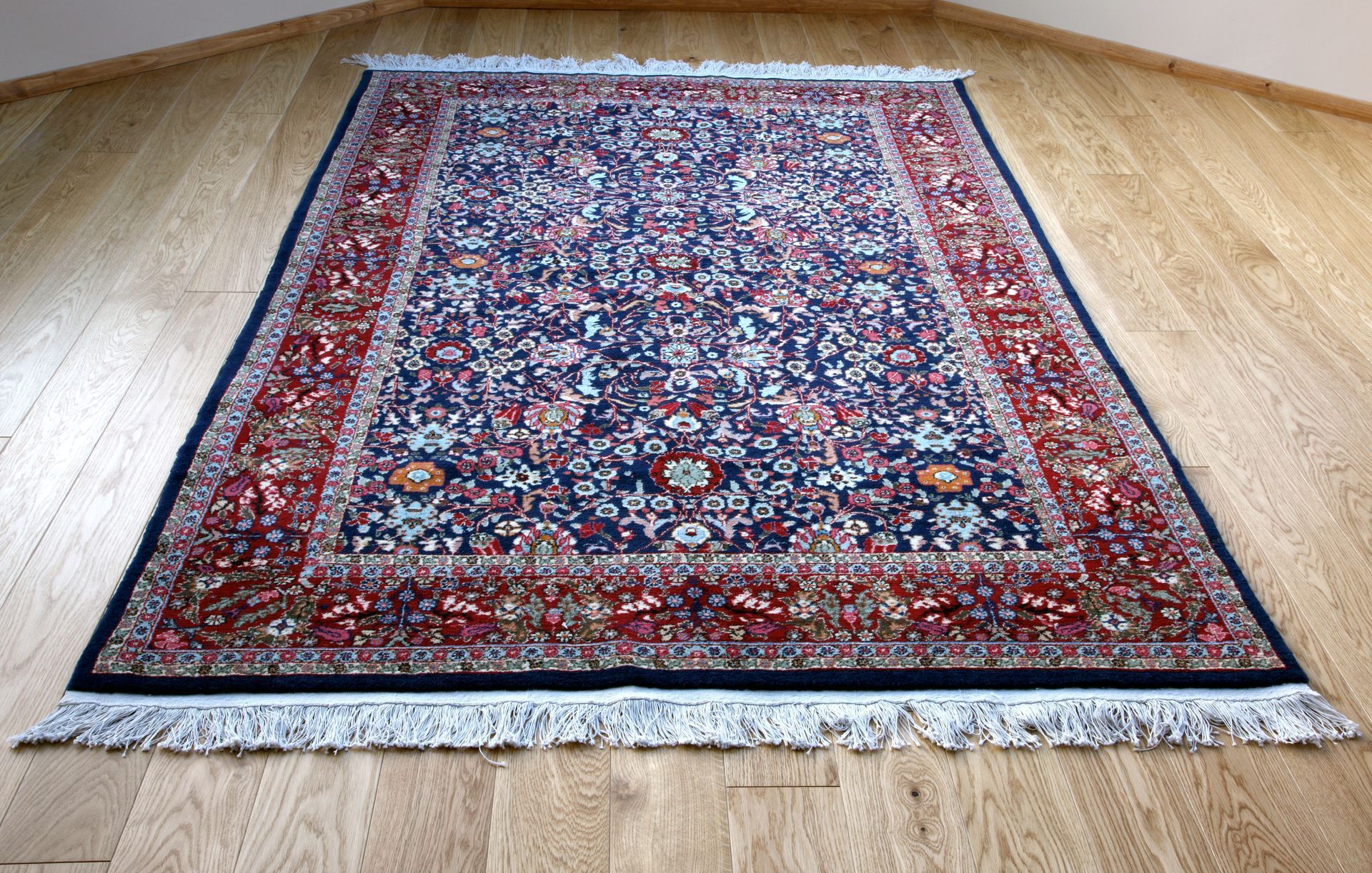
From the earliest days of colonial trade to today’s design-forward interiors, Oriental rugs have woven a rich and enduring thread through American history. Once prized luxury imports admired by merchants and governors, these intricately crafted textiles gradually evolved into beloved household staples and treasured works of art. Their journey reflects broader economic shifts, cultural exchanges, technological innovation, and changing consumer values. Understanding how Oriental rugs rose from rare status symbols to enduring design icons offers insight into both America’s global connections and its evolving appreciation for craftsmanship, heritage, and artistry.
Early American Imports
In the colonial days, America was deeply entrenched in the trade avenues connecting it with Europe and subsequently with the vast oriental regions. Ships arriving from China, India, and Persia often brought with them a selection of textiles, including the magnificent Oriental rugs that awed American settlers. These items were regarded as luxurious imports, crafted with intricate designs and vibrant dyes, appealing to the colonial elite’s taste. It was during this era that Oriental rugs began their legacy, chiefly adorning the homes of wealthy merchants and governors. Despite their limited availability, these rugs planted the initial seeds for a burgeoning interest that would grow over the coming centuries. According to This Old House, while Oriental rugs had been admired in America for centuries, they did not become widely used as floor coverings until the latter half of the 19th century.
The role of Oriental rugs expanded as maritime trade routes became more established, ensuring a consistent influx of these goods. The growing merchant class in colonial America looked to these rugs as status-enhancing commodities symbolizing wealth and cultural sophistication. Over time, many high society homes featured these rugs not just as floor coverings but also as wall hangings and artistic displays, transforming utilitarian spaces into cultural expressions. Notably, the influx of these rugs during this time piqued the interest of early collectors who admired their beauty and enduring craftsmanship. Such collections offered the first substantial exposure of Oriental art to American audiences, nurturing a curiosity that would later blossom into a widespread cultural appreciation.
Growth in Popularity: The 19th Century
The 19th century marked a critical phase in the trajectory of Oriental rugs in America, coinciding with the broader economic and social transformations ignited by the Industrial Revolution. As industrialization accelerated, trade became more efficient, leading to easier access to Oriental rugs for a growing American consumer base. Factories anywhere from New York to San Francisco clamored for Eastern imports, including the finely woven textiles that so effectively represented opulence and style. Simultaneously, technological advancements in shipping and communications reduced the time and cost associated with importing these goods, further democratizing their availability. These changes ignited a new wave of popularity for Oriental rugs, ensuring their placement in homes well beyond the aristocratic circles where they once resided.
Expositions and World's Fairs became critical venues for showcasing Oriental rugs to a broader audience, each event captivating American visitors with displays of elegant design and exotic beauty. These fairs were instrumental in fostering cultural curiosity and appreciation, creating spaces where a lay audience could witness firsthand the artistry that had mesmerized collectors. Expositions often spotlighted Oriental rugs as exemplars of fine craft, helping to cement their reputation until they became indispensable elements in modern homes. Additionally, such venues facilitated the exchange of aesthetic ideas between East and West, amplifying the rugs' appeal. The attention drawn by these displays piqued the interest of new patrons who would eventually translate exposure into substantial demand.
Post-War Transformations
The post-War era brought significant transformations to the Oriental rug market, reshaping manufacturing and production landscapes. With Europe's rebuilding efforts after World War II, a renewed emphasis on domestic industry merged with the demand for traditional craftsmanship, resulting in innovation in rug production. Technology advancements allowed for quicker and cheaper manufacturing of rugs, which impacted the handcraftsmanship traditionally associated with Oriental rugs but enabled broader accessibility. Foreign production centers still played a crucial role, but now with heightened competition from machines that threatened the older, manual methods. This era of experimentation marked both an end to an epoch of singular artisanship and the beginning of a more accessible but varied rug market.
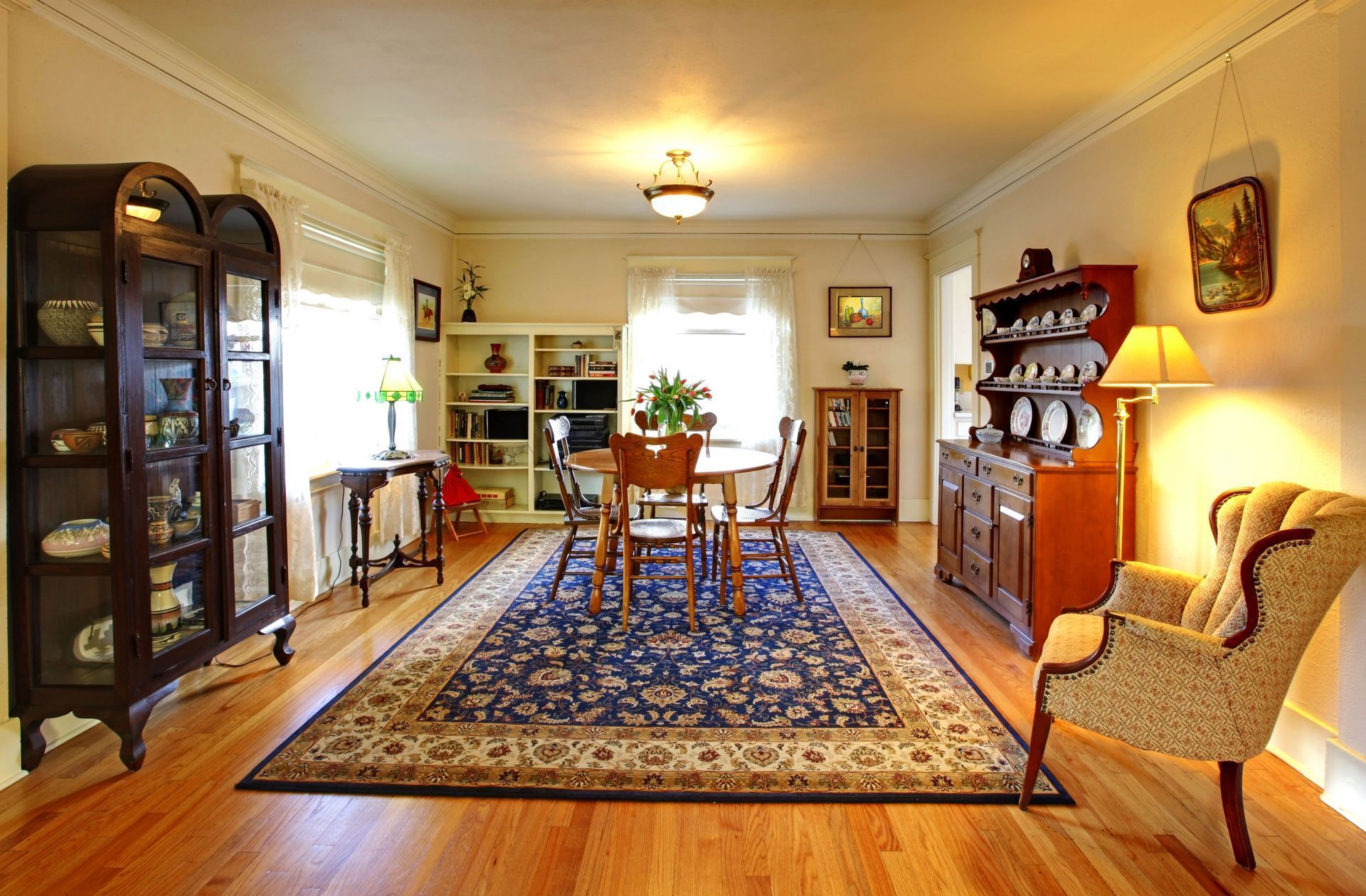
Increasing domestic consumption patterns and tastes evolved as well, shifting the landscape for Oriental rug utilization in American homes. Rugs that had once been primarily decorative or status-enhancing morphed into standard elements woven effortlessly into everyday lifestyle decor. The proliferation of newer manufacturing practices influenced consumer preference for practicality, affordability, and durability, while also retaining a fondness for traditional designs. During this time, the domestication of Oriental styles meant patterns were adapted to suit modernist views, balancing East and West aesthetics into a harmonious whole that echoed contemporary values. The result was a cultural melding, where Oriental rugs continued to thrive as a diverse, multifaceted form of art.
Preservation and Cultural Heritage
The enduring legacy of Oriental rugs in America has fostered a dedicated community focused on their preservation and restoration. Over the decades, these rugs, once beloved possessions passed through generations, began to show signs of aging and wear. With their intricate designs and delicate fibers, Oriental rugs require specialized knowledge and techniques for conservation. Efforts in conservation have prioritized maintaining their structural integrity while preserving their historic and aesthetic value.
Museums and institutions have played a pivotal role in safeguarding the heritage of Oriental rugs through exhibitions and educational programs. Institutions such as the Metropolitan Museum of Art and the Smithsonian have curated expansive collections of Oriental rugs, providing the public with opportunities to appreciate these artifacts' beauty and significance. Through exhibitions, they aim to educate newer generations about the origin, symbolism, and craftsmanship of these textiles. Museums also offer workshops and seminars, often featuring expert rug makers and historians, thereby fostering a deeper understanding and appreciation of Oriental rugs.
Contemporary Trends and Future Directions
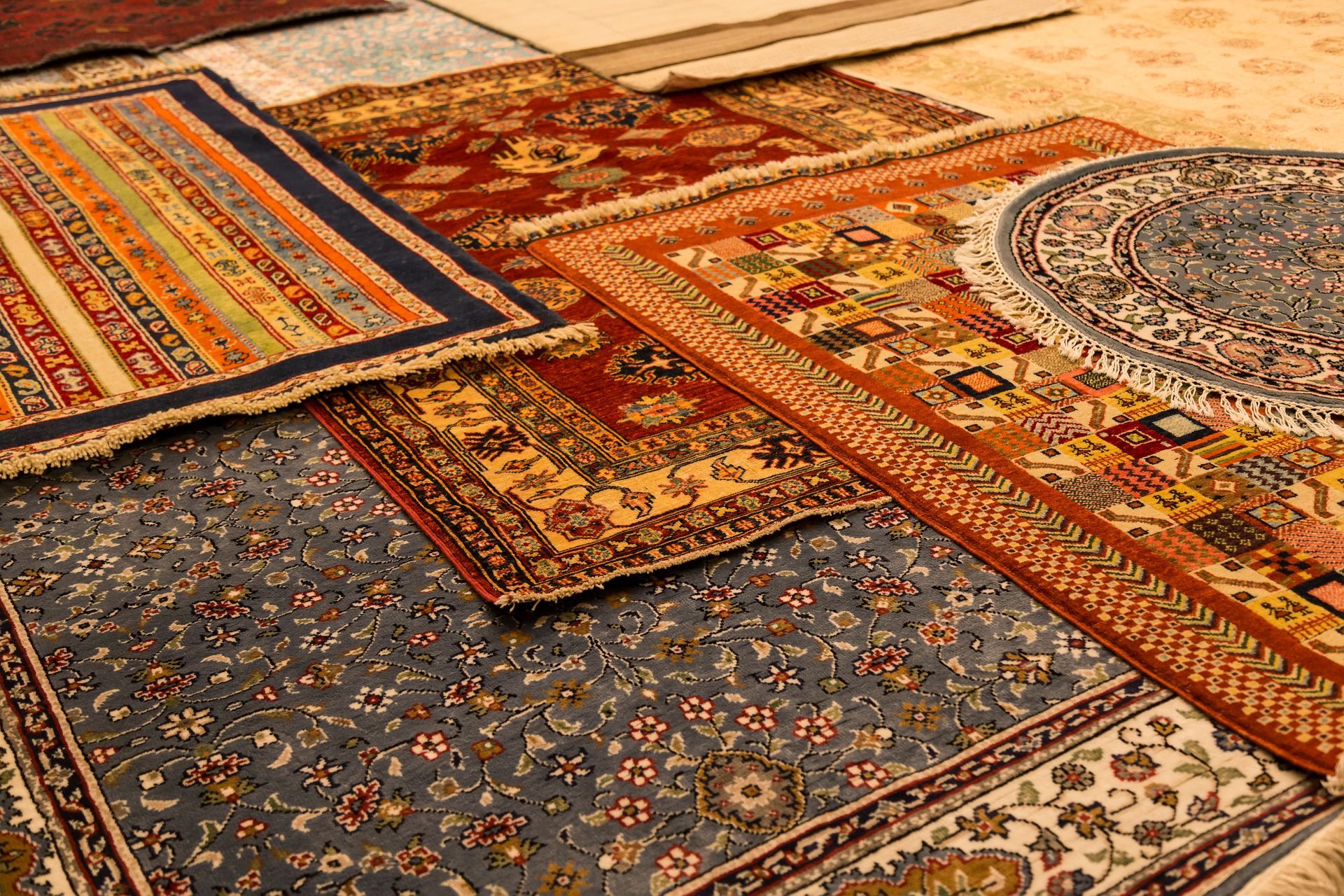
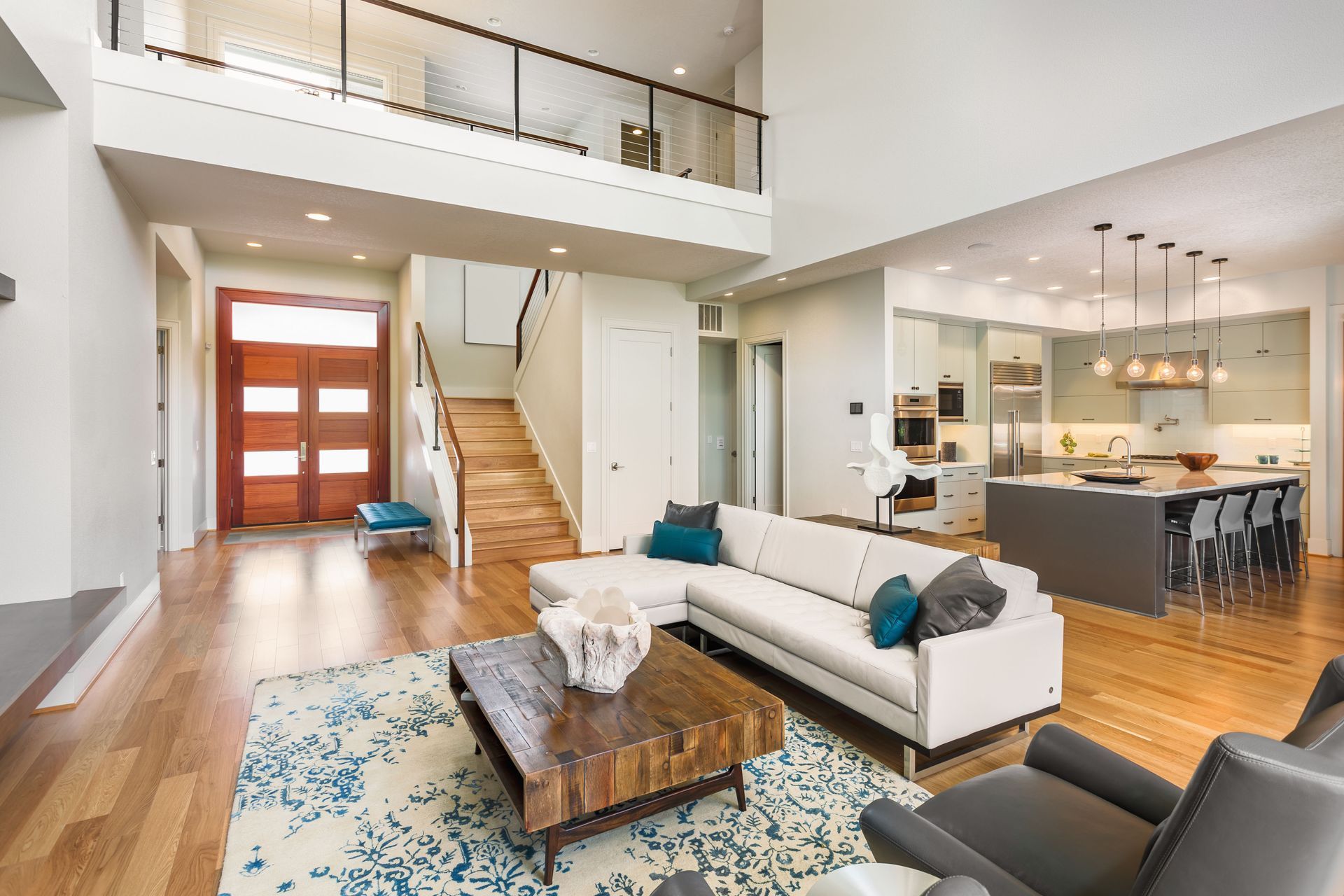
In the contemporary era, Oriental rugs continue to captivate audiences, with designers and artists drawing inspiration from their rich patterns and cultural narratives. Modern interpretations often explore innovative combinations of materials, colors, and styles, offering a fresh take on traditional motifs. Designers are infusing contemporary elements into rug designs, creating eclectic blends that reflect both historical roots and modern sensibilities. This adaptability has allowed Oriental rugs to maintain their relevance, seamlessly integrating into diverse interior settings ranging from minimalist to maximalist. Innovative approaches preserve the essence of traditional rug-making while catering to evolving tastes, enabling these textiles to remain dynamic expressions of art and culture.
Sustainability and ethical considerations have become increasingly important in the contemporary discourse surrounding Oriental rugs . As consumers become more conscious of ethical production methods and environmental impact, the demand for sustainably sourced and ethically made rugs has grown. This shift has encouraged rug makers to adopt eco-friendly practices, such as using organic dyes and natural fibers, while ensuring fair labor conditions. Artisan communities, both local and international, play a pivotal role in this movement, adopting practices that emphasize sustainability without compromising traditional craftsmanship.
As interest in heritage craftsmanship and sustainable design continues to grow, Oriental rugs are poised to maintain their place in American homes for generations to come. Whether you are a collector, designer, or homeowner, exploring the history and craftsmanship behind these remarkable textiles can deepen your appreciation and help you choose pieces that carry both beauty and meaning into the future. Visit Albed Rug Company to learn more!