November 21, 2026
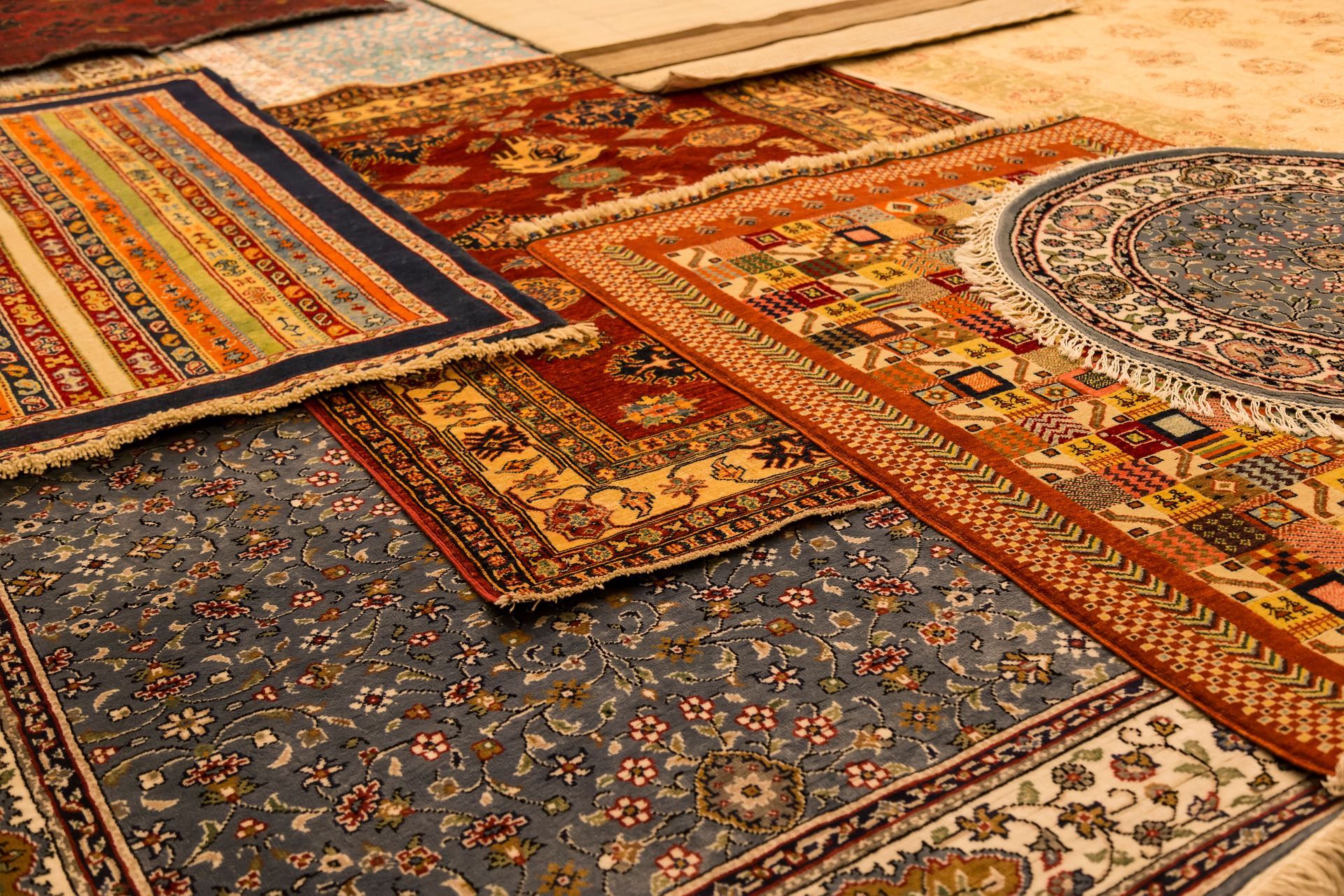
Fine textiles and artistic floor coverings bring distinctive character, warmth, and visual balance into residential interiors. From hand-knotted Persian heirlooms and geometric flat-weaves to contemporary wool pieces, area rugs frequently define the aesthetic tone of living rooms, dining spaces, and primary corridors. Because these valuable textiles withstand steady foot traffic, environmental settling, and accidental spills, maintaining their physical condition requires sustained diligence. Property owners often recognize the aesthetic contribution of decorative floor coverings, yet many overlook the specialized processes required to protect delicate natural fibers. Seeking experienced rug cleaning services represents an essential step in safeguarding these interior investments against premature wear and irreversible structural breakdown.
Area rugs differ fundamentally from standard synthetic wall-to-wall carpeting in fiber composition, construction architecture, dye chemistry, and backing materials. Wall-to-wall carpeting typically relies on tufted nylon or polyester fibers secured into synthetic backings with latex adhesives, whereas fine area rugs feature woven foundations made of cotton, wool, or silk. Subjecting hand-woven textiles to indiscriminate residential carpet equipment, aggressive chemical surfactants, or harsh rotary brushes can cause dye bleeding, dimensional distortion, and structural unraveling. Establishing rigorous quality criteria helps homeowners select qualified providers who understand the intricate science of textile preservation.
Implementing the Fundamental Benchmarks for Fine Textile Preservation
1. Conducting Comprehensive Fiber and Structural Inspections
Every thorough preservation protocol begins with an exhaustive preliminary examination. Before any cleaning agent or moisture contacts an area rug, trained textile specialists must evaluate fiber identity, foundation integrity, weave style, and existing patterns of wear. Wool, silk, linen, cotton, jute, and synthetic variations each display distinct reactions to humidity, chemical acidity, and mechanical friction. Certified specialists systematically examine textiles for fiber brittleness, localized dye bleeding, moth contamination, pet contamination, dry rot, and fringe weakness.
A vital phase of this preliminary review involves comprehensive dye stability testing. Specialists apply targeted diagnostic solutions to discreet sections of the motif using absorbent blotters to determine whether individual colorants remain completely fixed under damp circumstances. Because traditional vegetable dyes and modern chrome dyes behave differently during washing, skipping this verification risks devastating color runs across intricate borders. Documenting these initial conditions establishes clear expectations and allows technicians to customize an optimal treatment plan for each distinctive piece.
2. Performing Mechanical Particulate and Dry Soil Removal
An indispensable phase of restorative textile maintenance is mechanical dusting prior to any liquid application. Over months and years of regular use, fine silica granules, gritty street dust, and abrasive mineral particles settle deep into the foundation channels of the weave. Standard residential vacuum cleaners capture superficial fuzz and surface lint, but they cannot dislodge dense, sharp micro-contaminants lodged around warp and weft intersections. When walked upon, these microscopic mineral crystals act like miniature blades that slowly saw through fibers at the base of the pile.
Introducing moisture to an un-dusted rug transforms dry sub-surface soil into heavy, abrasive mud that binds tightly to fiber roots. Qualified off-site rug cleaning services utilize specialized dusting tables, harmonic vibration grids, and compressed airflow systems to shake loose dry soil while the textile remains completely dry. Releasing pounds of compacted particulate before liquid submersion prevents secondary fiber deterioration and clears the pathway for washing agents to treat embedded grime effectively.
3. Applying Customized Chemical Formulations for Different Fibers
Uniform cleaning formulas engineered for synthetic floor coverings are wholly unsuitable for delicate natural materials. Hand-crafted floor coverings demand balanced wash formulations adjusted precisely to the chemical requirements of individual fibers. Protein-based animal fibers, including sheep wool and fine silk, are highly susceptible to alkaline damage; exposure to high-pH detergents strips protective lanolin, weakens strand tensile strength, and causes irreversible fiber coarsening. Conversely, cellulosic plant fibers like linen and cotton suffer discoloration and degradation when exposed to improper acidic mixtures.
Reputable rug cleaning services evaluate both soil composition and underlying weave sensitivity to determine the ideal washing method. Whether administering full submersion wash baths or controlled low-moisture treatments, skilled technicians utilize mild, residue-free shampoos designed for natural fibers. Full submersion wash protocols allow softened, temperature-controlled water to flow completely through both face fibers and foundation threads, flushing out dissolved impurities without leaving surfactant residues that attract future atmospheric soil.
4. Eliminating Sub-Surface Bio-Contaminants and Household Allergens
Beyond aesthetic revitalization, thorough washing protocols directly improve indoor residential wellness. Area rugs function as porous environmental filters within the home, absorbing airborne dust, outdoor pollen, fungal spores, and micro-contaminants that drift through living areas. Once these fibrous filters reach capacity, ordinary household movement dislodges collected particles, releasing them back into the breathing zone and degrading indoor air quality.
Deep restorative washing targets microscopic biological contaminants that standard home cleaning routines cannot eliminate. According to epidemiological reports from the American Lung Association, roughly eighty percent of individuals encounter dust mite particles within domestic spaces, and approximately sixty percent face continuous pet dander exposure, with both persistent allergens commonly accumulating inside residential floor textiles. Professional rug cleaning services neutralize these stubborn biological deposits through steady fluid circulation, biological enzyme treatments, and sanitizing rinses that neutralize organic soils without damaging delicate vegetable or synthetic dyes. Removing deeply embedded contaminants creates a fresher, healthier indoor living space for all household members.
5. Regulating Climate-Controlled Moisture Extraction and Dehumidification
Washing represents only the initial half of the preservation cycle; controlled drying is equally critical to structural integrity. Leaving damp textiles in unmonitored environments for prolonged periods invites severe risks, such as mold development, fungal blooms, cellulosic browning, and cotton dry rot. Natural wool and cotton yarns absorb substantial volumes of water, and poor ventilation or fluctuating humidity during drying can permanently deform the foundation architecture.
Dedicated drying facilities utilize climate-controlled drying chambers engineered with high-velocity air movers, continuous commercial dehumidification, and custom suspended drying poles. By positioning textiles vertically or horizontally under controlled tension, technicians ensure uniform evaporation across all pile and foundation surfaces. Modern rug cleaning services also employ centrifugal water extractors that spin out up to ninety percent of residual moisture within minutes, preventing foundation distortion and keeping drying windows well under twenty-four hours.
6. Executing Precise Hand Detailing and Final Grooming
The concluding standard of distinguished textile care involves meticulous post-wash detailing and hand grooming. Once moisture levels return to equilibrium, technicians conduct detailed post-cleaning evaluations under high-output daylight lamps to verify soil removal, color clarity, and structural soundness. Fringes, which represent the exposed structural warp cords of the rug, receive gentle hand washing and pH-neutralizing rinses to lift discoloration without relying on caustic chlorine bleaches that degrade cotton strands.
Trained artisans then brush the damp pile using soft carding brushes aligned with the natural lay of the fibers. This tactile hand grooming realigns the nap, revitalizes yarn loft, and restores balanced light refraction across artistic designs. Following an ultimate post-grooming vacuuming pass to gather detached fluff, providers of high-caliber rug cleaning services roll the dry piece and package it in protective, breathable coverings for secure delivery back to the client.
Safeguarding Heirlooms Through Deliberate Craftsmanship
Investing in meticulous
rug cleaning services represents the most reliable path to protecting the artistry, historical worth, and functional resilience of treasured floor coverings. Selecting a competent care team requires looking beyond quick superficial washes and demanding complete diagnostic inspections, dry mechanical soil removal, fiber-safe washing chemistry, rapid climate-regulated drying, and attentive final detailing. Discerning homeowners appreciate that each handmade textile possesses distinct historical and material needs demanding individualized attention. When planning long-term care for valued floor coverings, consulting with experienced specialists such as Albed Rug Company ensures cherished textiles receive the dedicated preservation and technical mastery they deserve.