March 23, 2026
Understanding the many details involved in purchasing the right rug can feel overwhelming at first. With so many materials, styles, and construction methods available, it helps to learn the basics before making a decision. Taking time to understand what makes a rug durable, comfortable, and visually appealing allows homeowners to choose a piece that fits their space and lifestyle. Learning about materials, styles, and placement can help ensure the rug you select enhances your home for years to come.
Understand Rug Materials
Before selecting a rug, it is helpful to understand the different materials used in its construction. Each fiber offers its own advantages, influencing how the rug feels underfoot, how long it lasts, and how easy it is to maintain. Choosing the right material ensures the rug performs well in the specific area of the home where it will be placed.
Wool remains one of the most popular natural fibers used in a rug. Known for its durability and softness, wool can handle heavy foot traffic while still maintaining its appearance over time. Its natural fibers also resist dirt and moisture better than many alternatives, making it easier to maintain with routine care. Because wool also helps absorb sound and insulate floors, it contributes to a comfortable and inviting room environment.
Cotton is another common material used in rug construction, especially for lighter or more casual designs. Cotton fibers make the rug easier to move, clean, and reposition throughout the home. Many cotton pieces can even be machine-washed, which appeals to households with children or pets. While cotton may not offer the same long-term durability as wool, it provides an affordable and versatile option for many interior styles.
Synthetic fibers such as nylon, polyester, and polypropylene also appear frequently in modern rug manufacturing. These materials are engineered to resist stains and wear, which makes them useful for active households or busy living areas. Many synthetic designs closely resemble natural fibers while offering improved moisture resistance and easier cleaning. For families seeking both style and practicality, these materials can provide a balanced solution.
Silk represents the more luxurious side of rug materials and is often associated with intricate craftsmanship and refined patterns. The delicate fibers produce a soft sheen that reflects light beautifully, giving the rug a distinctive elegance. Because silk is more delicate than other fibers, it is typically placed in low-traffic areas such as bedrooms or sitting rooms. With careful maintenance, a silk rug can remain a striking focal point for many years.
Natural fibers like jute, sisal, and seagrass also contribute to the wide variety of materials available today. These options create an earthy texture that works well in relaxed, nature-inspired interiors. While they may feel slightly rougher than wool or cotton, they add visual depth and organic character to a room. Natural fiber designs also appeal to homeowners who want to incorporate more environmentally conscious materials into their décor.
Explore Rug Styles
After selecting a suitable material, the next step is exploring the various design styles available. The style of a rug plays a major role in how it interacts with furniture, wall colors, and decorative accents within a room. Choosing the right design helps create a cohesive interior that feels intentional and balanced.
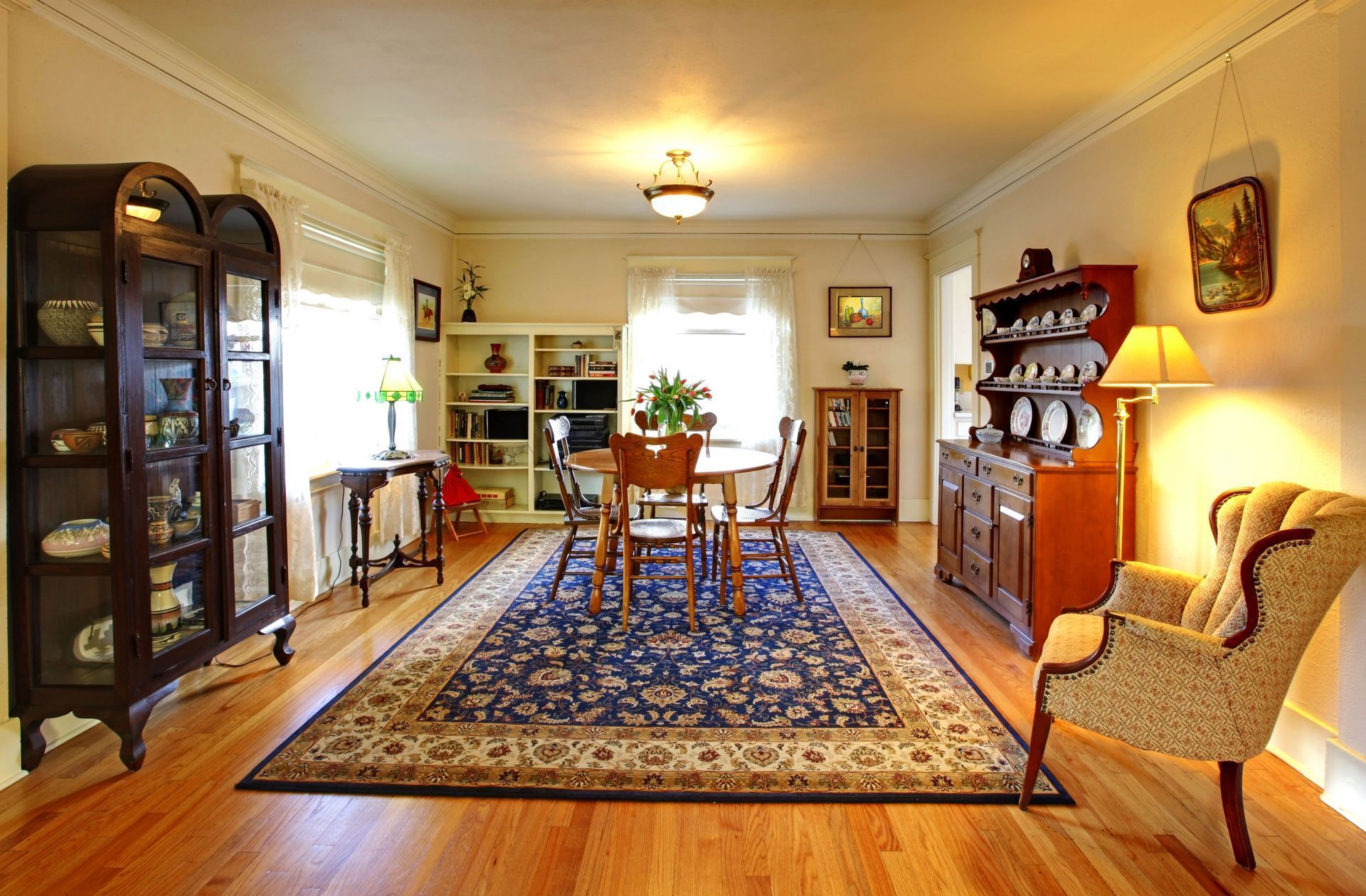
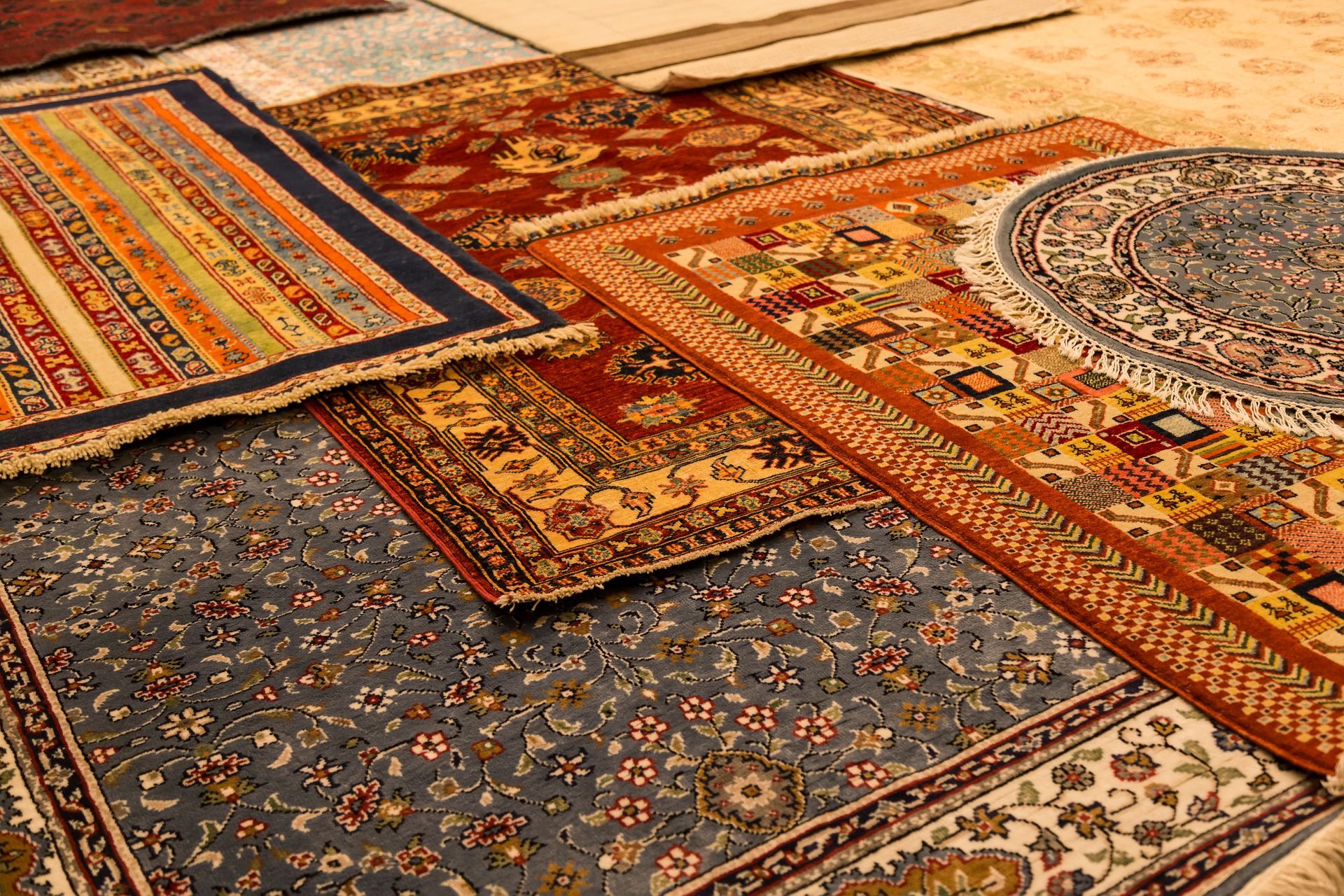
Traditional designs often showcase intricate patterns and cultural influences developed over centuries of textile craftsmanship. Many traditional rugs feature medallion motifs, floral elements, and detailed borders that reflect weaving traditions from regions such as Persia, Turkey, and India. These elaborate designs can introduce timeless elegance into both classic and contemporary interiors. When placed thoughtfully, a traditional rug can serve as a centerpiece that anchors the entire room.
Modern and contemporary designs offer a different approach, focusing on clean lines, abstract patterns, and bold color combinations. These rugs often highlight minimalism while still adding personality and visual interest to a space. Their simplicity allows them to complement modern furniture and architectural features without overwhelming the room. A well-chosen contemporary rug can bring balance and sophistication to a living area.
Transitional styles blend elements from both traditional and contemporary design. These rugs often soften classic patterns with updated colors or simplified motifs, allowing them to work well in a variety of settings. This flexibility makes transitional designs especially appealing for homeowners who enjoy mixing different décor styles. The result is a rug that feels both timeless and current.
Evaluate Rug Construction
Beyond materials and style, construction also influences how a rug performs over time. Construction methods affect durability, texture, and the level of craftsmanship involved in producing the final product. Understanding these differences can help homeowners select a rug that meets their expectations for quality and longevity.
Hand-tufted construction offers another option that balances craftsmanship with affordability. In this method, yarn is punched through a backing material to create the desired pattern and pile. The process allows manufacturers to produce attractive designs more efficiently while still maintaining a soft texture underfoot. Many homeowners appreciate the combination of style and value that tufted designs provide.
Machine-made rugs are created using modern manufacturing technology that allows for consistent patterns and large-scale production. These pieces are typically more affordable and widely available than handmade options. While machine production may lack some of the artistry found in handcrafted designs, it still provides durable and visually appealing flooring solutions. For many households, this approach offers a practical way to incorporate decorative rugs into everyday living spaces.
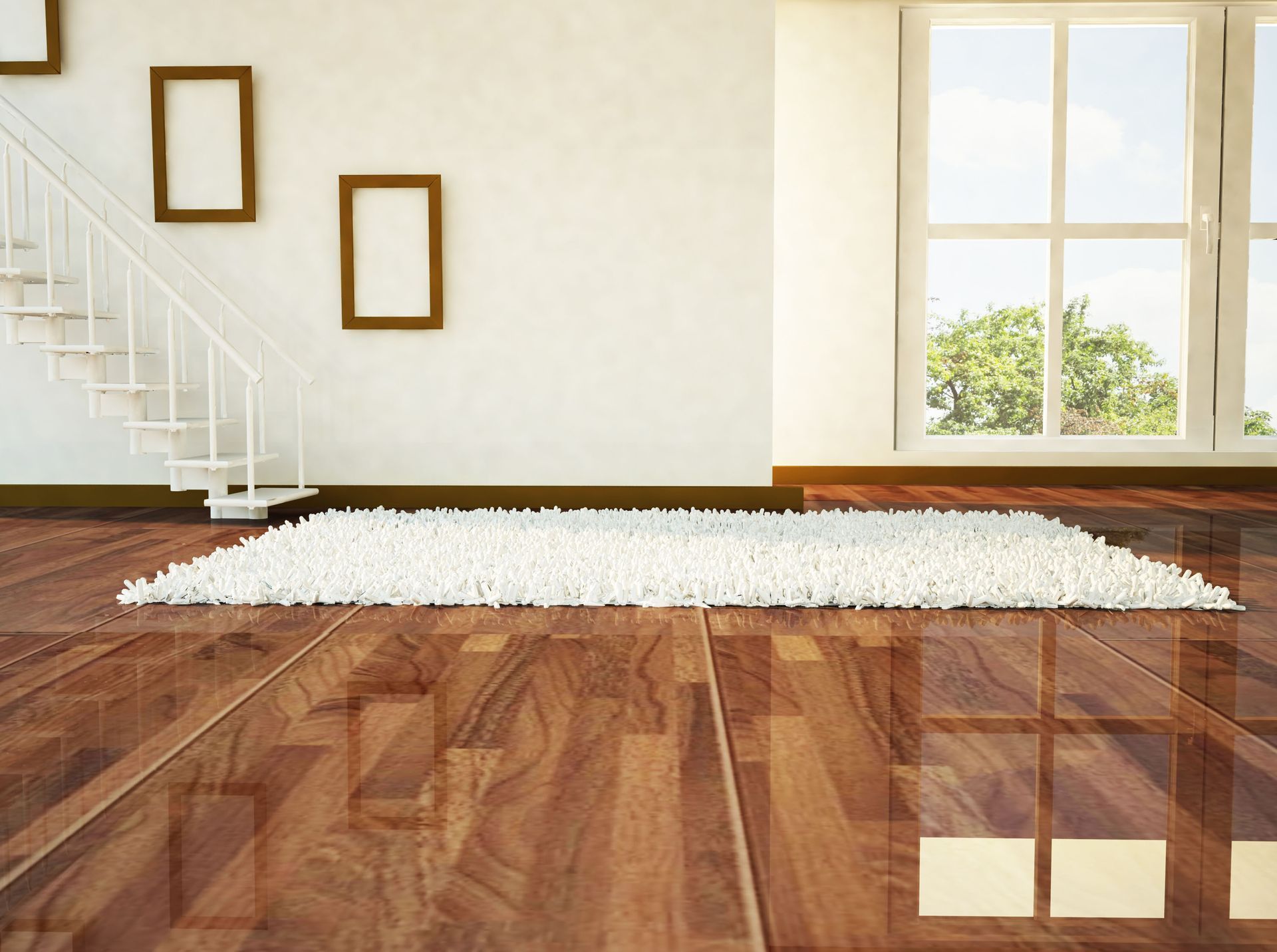
Pile height also plays a role in the performance of a rug. Some designs feature thick, plush fibers that create a soft and cozy feeling underfoot, while others maintain a flatter, more streamlined surface. According to New York Times' Wirecutter, low-pile rugs have yarns that usually extend up to a ¼ inch from the rug’s backing. This construction allows them to be easier to clean and maintain, particularly in rooms where foot traffic is frequent.
Determine Rug Size And Placement
Selecting the correct size is another essential step in achieving a balanced interior design. A rug that is too small can make furniture appear disconnected, while one that is too large may overwhelm the room. Measuring the space carefully before purchasing ensures the rug enhances the layout rather than disrupting it.
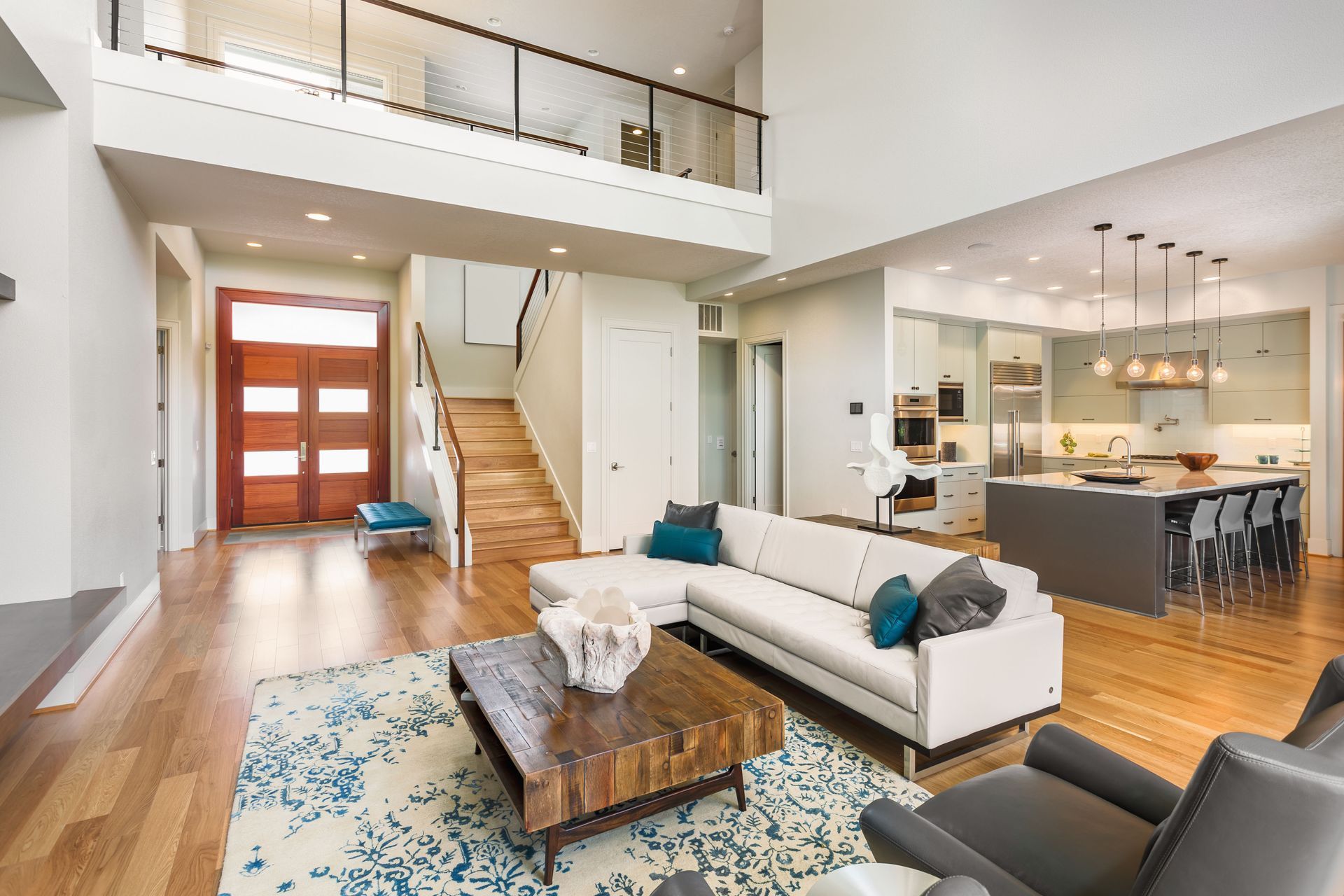
In living rooms, designers often recommend placing at least the front legs of sofas and chairs on the rug to create a unified seating area. This arrangement visually connects the furniture while helping define the room’s layout. In larger spaces, the rug may extend beneath the entire seating arrangement for an even more cohesive appearance. Thoughtful placement helps maintain comfortable walking paths and an organized look.
Selecting the right rug involves more than simply choosing a color or pattern that looks appealing. Materials, construction, style, and placement all influence how well the rug performs and how it contributes to the overall design of a room. Taking time to evaluate these factors can help homeowners select pieces that complement their space while providing long-lasting comfort and beauty.
For those seeking expert guidance and a wide selection of high-quality options, Albed Rug Company offers knowledgeable assistance and carefully curated selections. Located in Wayne, PA and serving customers since 1914, the team brings over 100 years of combined experience in rug sales, carpet cleaning, carpet restoration, and carpeting sales. If you are ready to enhance your home with the perfect
rug
, contact Albed Rug Company to explore available styles and receive personalized support for your next flooring investment.