February 27, 2026
Choosing the right area rug for your home is a crucial decision that combines both aesthetic appeal and practical functionality. Often serving as the foundation of a room's design, rugs add warmth, define spaces, and tie together colors and patterns in furniture and decor. Beyond aesthetics, a well-chosen rug can enhance the functionality of your space, influencing not only how a room feels but also how it is used on a daily basis. The perfect rug harmonizes with your existing decor while meeting practical needs such as durability and ease of maintenance. This guide explores the factors you should consider to make an informed choice when selecting an area rug for your home.
1. Understanding Your Space
1.1 Size and Proportion
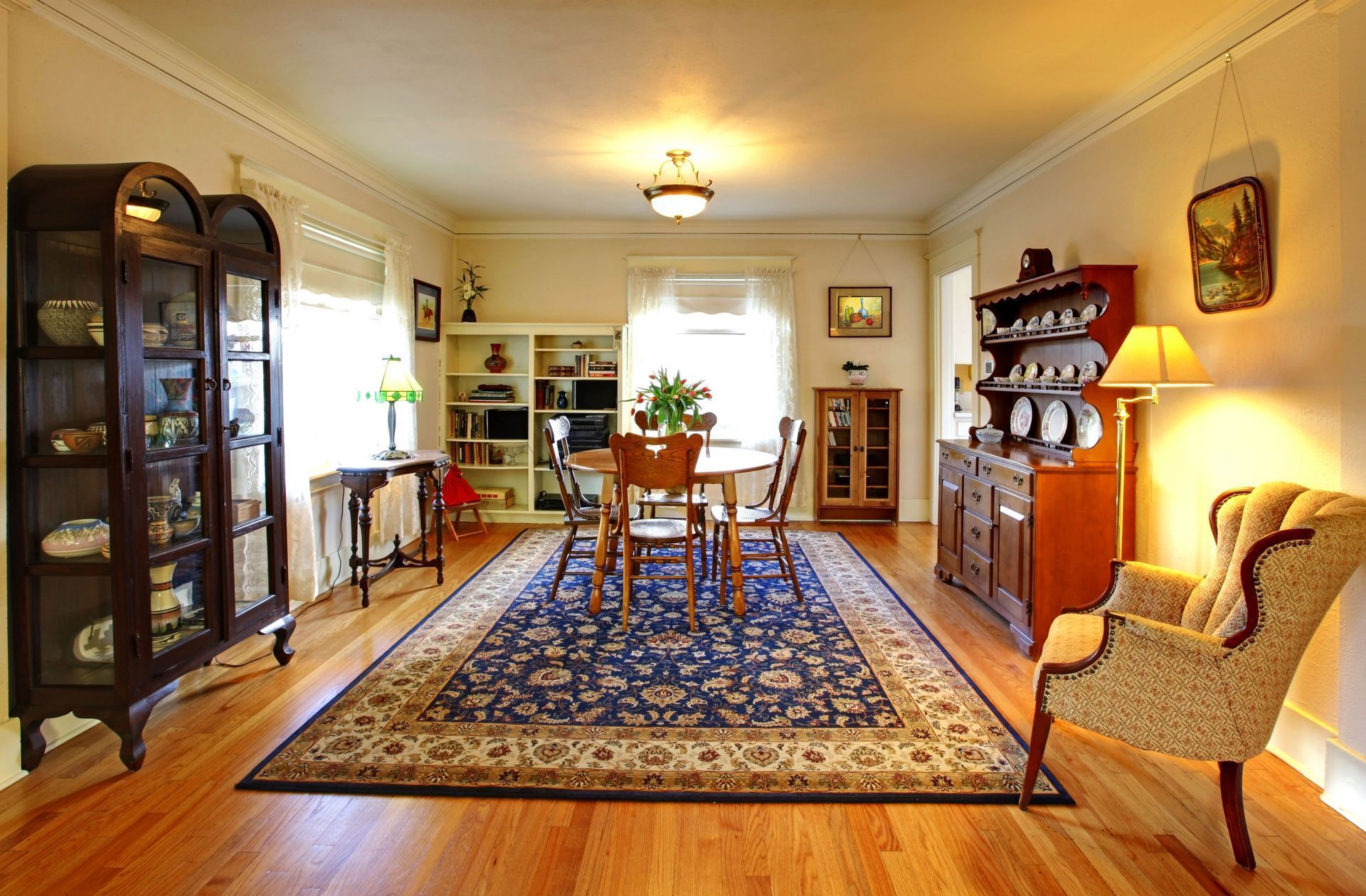
Choosing the correct rug size for your space is imperative to creating a balanced look. A rug that is too small can make a room feel disjointed, while a rug that is too large may overwhelm the space. Typically, a rug should anchor all major furniture pieces in a room, such as a sofa or bed, allowing for comfortable walking space. In living rooms, for example, an ideal rug allows for at least two legs of each piece of furniture to sit on it. Similarly, for dining rooms, the rug should extend beyond the edges of the table to enable easy movement of chairs.
1.2 Room Functionality
The needs of a rug can vary greatly depending on the room in which it is placed. High-traffic areas such as hallways and entryways demand rugs that are durable and easy to clean, while bedrooms benefit from softer, plush textures for underfoot comfort. Kitchens, on the other hand, require rugs that are resistant to stains and moisture. Understanding these functional differences helps in choosing a rug that not only complements but also withstands the demands of the room. For example, placing a wool rug in a high-moisture area like the kitchen might not be as practical as using a moisture-resistant synthetic fiber option.
1.3 Layout and Furniture Placement
Ensuring optimal aesthetics and flow means carefully considering your rug placement relative to furniture. For instance, in a bedroom, placing a rug partially under the bed can create a cohesive look while providing warmth and comfort when stepping out of bed. In a living room, the placement of a rug in relation to seating arrangements can help define space and enhance conversational areas. It's essential to ensure that balance, proportion, and flow are maintained by considering both the visual and practical impact of your rug's placement. This arrangement not only grounds the furniture but also adds harmony to the room's overall design.
1.4 Ensuring Flow Between Rooms
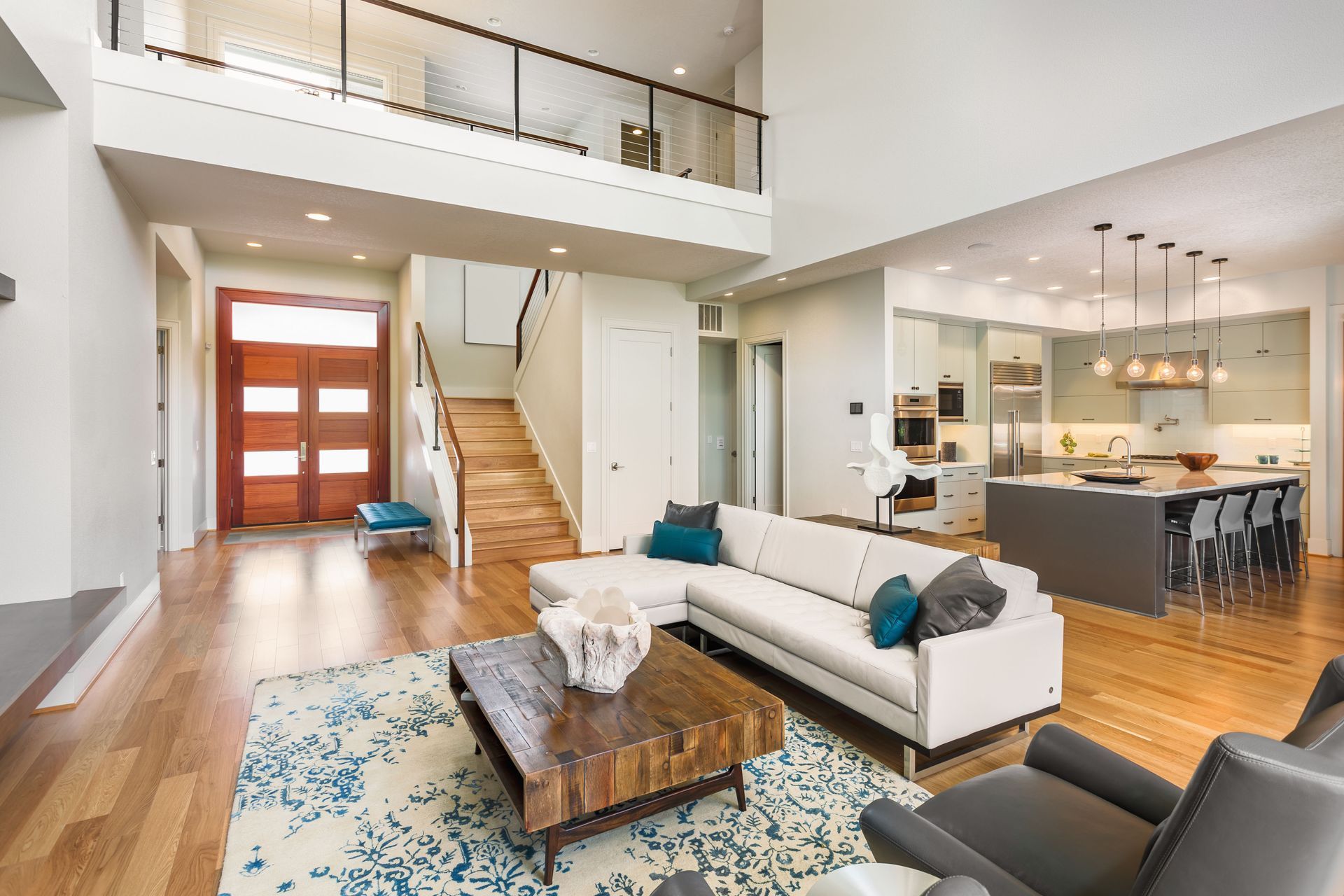
Rugs are instrumental in creating a cohesive look across different rooms by coordinating styles and colors throughout the home. By selecting rugs with complementary patterns or color schemes, you can ensure a seamless transition from one space to another. This is particularly important in open-concept homes, where visible continuity between rooms is desired. Similarly, using rugs of varying sizes but maintaining a common theme or color can unify spaces while allowing each to retain its unique character. Achieving this aesthetic flow enhances the visual appeal and perceived harmony of the entire home.
1.5 Ceiling Height and Rug Influence
The choice of a rug can surprisingly impact perceptions of ceiling height in a room. Patterns and colors play a crucial role; for example, light-colored rugs can make a space appear larger and more open, potentially compensating for lower ceilings. Meanwhile, vertically oriented patterns may draw the eye upward, creating an illusion of height. Understanding these visual cues enables you to use rugs strategically to modify spatial perceptions. Therefore, selecting a rug involves not only choosing a decor piece but also considering how it contributes to the overall spatial dynamics of the room.
2. Material Matters
2.1 Natural Fibers
Natural fiber rugs, such as those made from wool, cotton, or sisal, are revered for their beauty and durability. Wool rugs, in particular, are prized for their softness and natural resistance to stains and moisture. Cotton rugs offer versatility and are typically more affordable, making them suitable for casual spaces or as a layering piece. Sisal and jute provide a natural, earthy texture, lending warmth and character to any room. While natural fibers can be more expensive, their longevity can make them a worthwhile investment.
2.2 Synthetic Options
For budget-conscious consumers, synthetic fiber rugs made from materials like polyester or polypropylene offer a durable and cost-effective alternative. They are designed to mimic natural fibers but with enhanced stain resistance and cleaning ease. According to New York Times' Wirecutter, nylon is a recommended option if you’re looking for rugs around 5 by 7 feet that cost less than $100 because it's easier to clean and will hold up better to wear and tear. These attributes make synthetic rugs ideal for areas prone to spills or heavy wear, such as playrooms or dining spaces. Overall, the affordability and practical benefits of synthetic rugs make them an attractive option for many households.
2.3 Blended Materials
Rugs crafted from a blend of natural and synthetic fibers can offer a balanced mix of advantages. By combining elements such as the softness of wool with the durability of a synthetic fiber, these rugs can meet diverse needs while remaining budget-friendly. This hybrid option can be tailored to preferences of softness, sheen, and environmental impact, catering to specific design and functional requirements. Blended materials also accommodate specific client sensitivities, allowing homeowners to carefully consider both tactile and aesthetic qualities in their selection. Thus, the choice of blended material rugs is both practical and versatile.
2.4 Texture and Feel
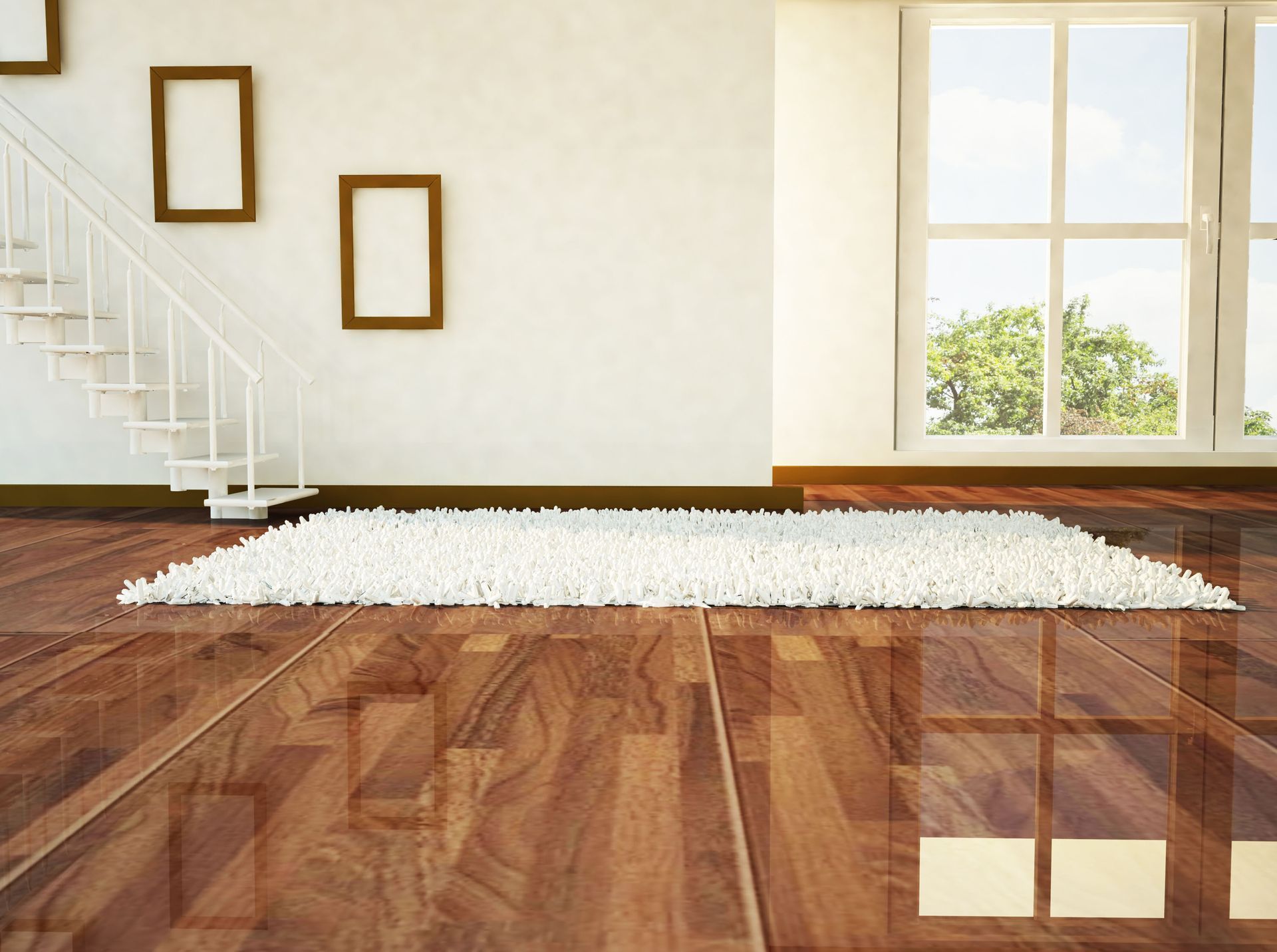
The tactile experience of a rug significantly impacts its perceived quality and comfort. Different fiber types and constructions influence the texture, whether you desire something plush and soft like a shag or a flatter, more structured weave. High-pile rugs provide a luxurious feel, ideal for creating cozy, relaxing environments, while low-pile rugs are easier to clean and can suit high-traffic or utilitarian areas. Texture also plays into the style; for example, a flat-weave rug can evoke a modern aesthetic, while a shag rug may lend a more retro or cozy vibe. Choosing the right texture is integral to achieving the desired atmosphere in a room.
2.5 Allergen Considerations
For individuals with allergies, choosing the right rug material can help minimize potential allergens. Natural fibers such as wool have inherent hypoallergenic properties, resisting dust mites and bacteria, which can be beneficial for allergy sufferers. However, these materials may trap more allergens if not regularly cleaned. In contrast, lower-pile and synthetic rugs often harbor fewer allergens and can be easier to clean thoroughly. Selections should consider both material properties and personal sensitivities to create a comfortable living environment. Finding a balance between aesthetics, function, and health considerations ensures a happier, healthier home.
3. Color and Pattern
3.1 Color Theory Basics
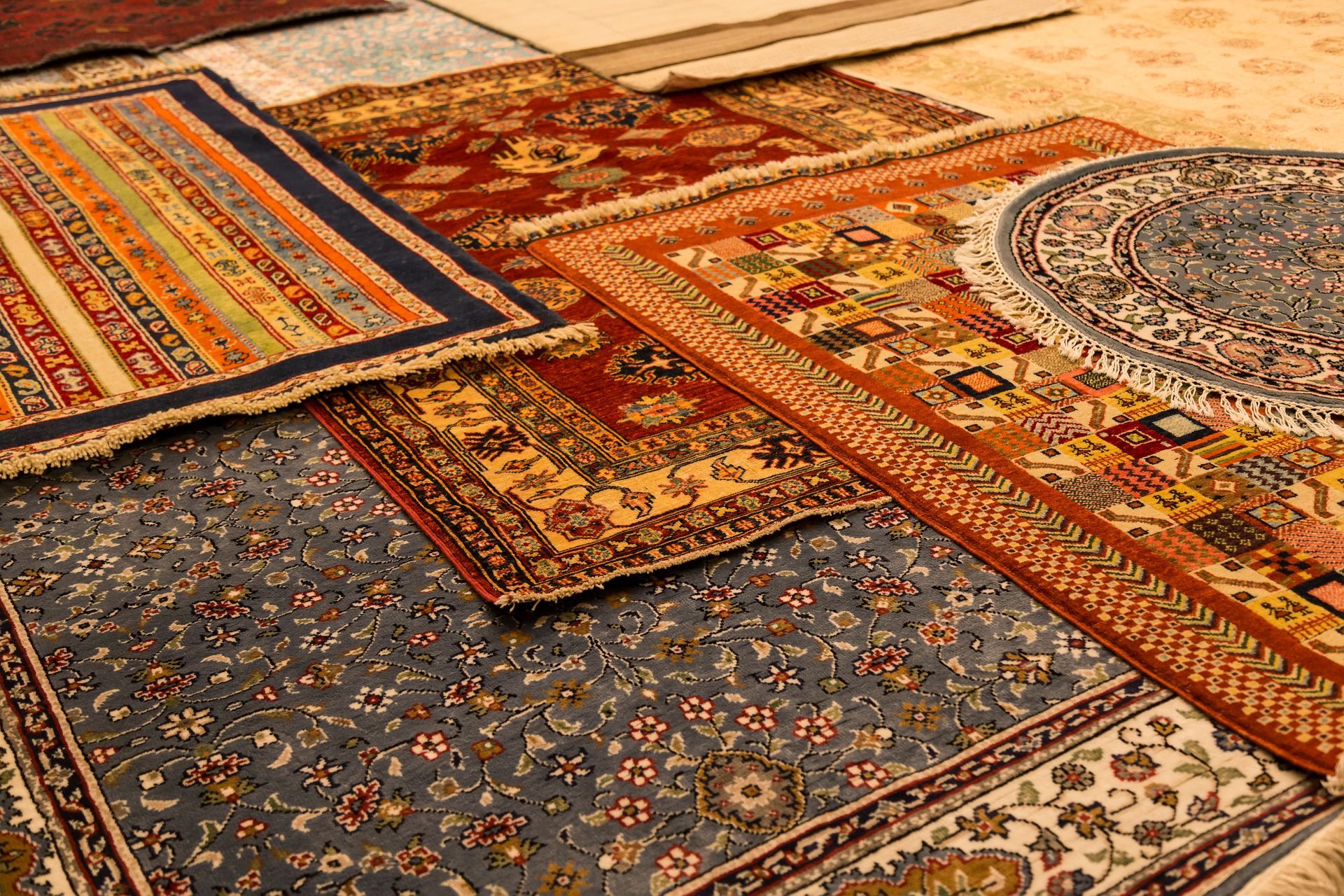
Color theory provides a foundational understanding of how to incorporate rugs into a room harmoniously. By using warm colors to create a cozy atmosphere or cool colors to evoke tranquility, you can affect the room's ambiance to match your style. Understanding color complements and contrasts helps in selecting a rug that harmonizes with existing decor, such as wall colors or upholstery. Neutral tones offer versatility if you prefer a classic look, while bold colors can make the rug a focal point. Strategic color choice in rugs can result in transformative effects on a space, influencing its design and feel significantly. Be sure to reach out to Albed Rug Company today for more information on our professional area rug !