December 22, 2025
Interior design often feels like a balancing act between form and function. Homeowners want spaces that look polished while still feeling comfortable, inviting, and truly lived-in. Achieving that balance does not always require major renovations or costly upgrades. In many cases, small, intentional design choices can make the most noticeable difference. One of the simplest ways to accomplish both goals is through thoughtful layering, and few elements do this as effectively as an area rug. Whether you are refreshing a single room or approaching a full redesign, this versatile accent can transform how a space looks, feels, and functions. From defining layouts to adding warmth, texture, and visual interest, an area rug plays a meaningful role in modern interiors and continues to grow in popularity as design trends evolve.
What Are the Benefits of Adding an Area Rug to Your Space?
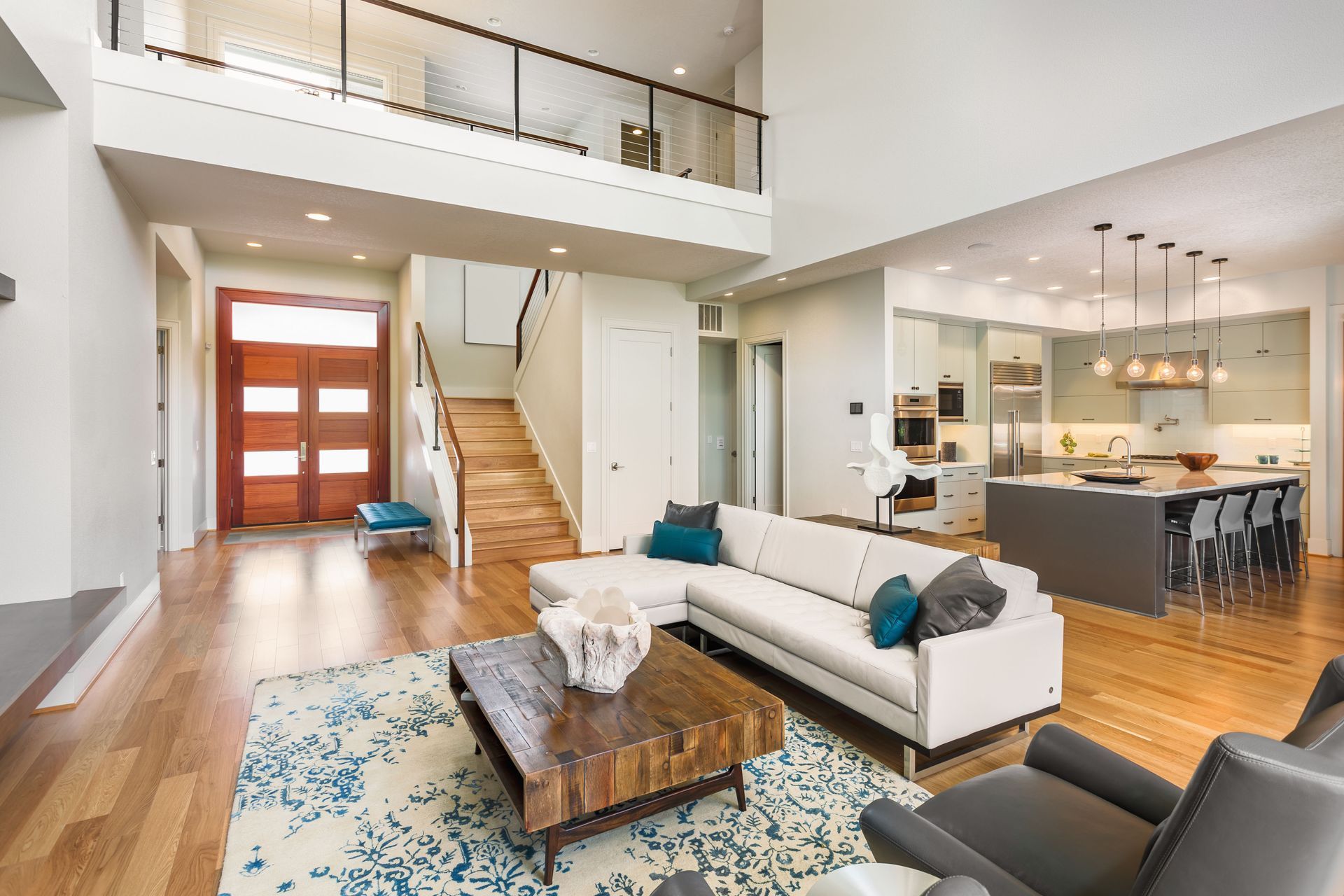
The benefits of incorporating an area rug extend well beyond visual appeal. At a practical level, rugs help define distinct zones within a room, especially in open-concept layouts where walls do not separate living, dining, and working areas. Placing a rug beneath a seating arrangement or dining table creates visual boundaries that make a space feel more intentional and organized.
An area rug also helps protect flooring from everyday wear. High-traffic areas such as living rooms, hallways, and bedrooms are prone to scratches and scuffs, particularly on hardwood or laminate surfaces. A well-placed rug absorbs much of that impact, preserving the underlying floor while still allowing it to show around the edges.
From a design perspective, rugs serve as an anchor for furniture and décor. They can pull together different colors, materials, and styles into a cohesive whole. This ability to unify a space is one reason rugs remain a staple in residential design. According to Market.US, residential use dominated the rug market in 2024, accounting for 72.4% of overall demand, largely driven by home renovation activity and shifting interior décor trends.
How Do You Choose the Right Size Rug for Your Room?
Selecting the correct size is one of the most important decisions when choosing an area rug. A rug that is too small can make a room feel disjointed, while one that is too large may overwhelm the space. The goal is to find a size that complements the room’s dimensions and furniture layout.
In living rooms, a common guideline is to ensure that at least the front legs of sofas and chairs rest on the rug. This creates a unified seating area and prevents furniture from appearing scattered. For larger rooms, placing all furniture legs on the rug can add a sense of luxury and cohesion.
Bedrooms require a different approach. Many homeowners choose a rug large enough to extend beyond the bed on all sides, offering a soft surface underfoot when getting up in the morning. Alternatively, runners placed along each side of the bed can provide comfort while allowing more of the floor to remain visible.
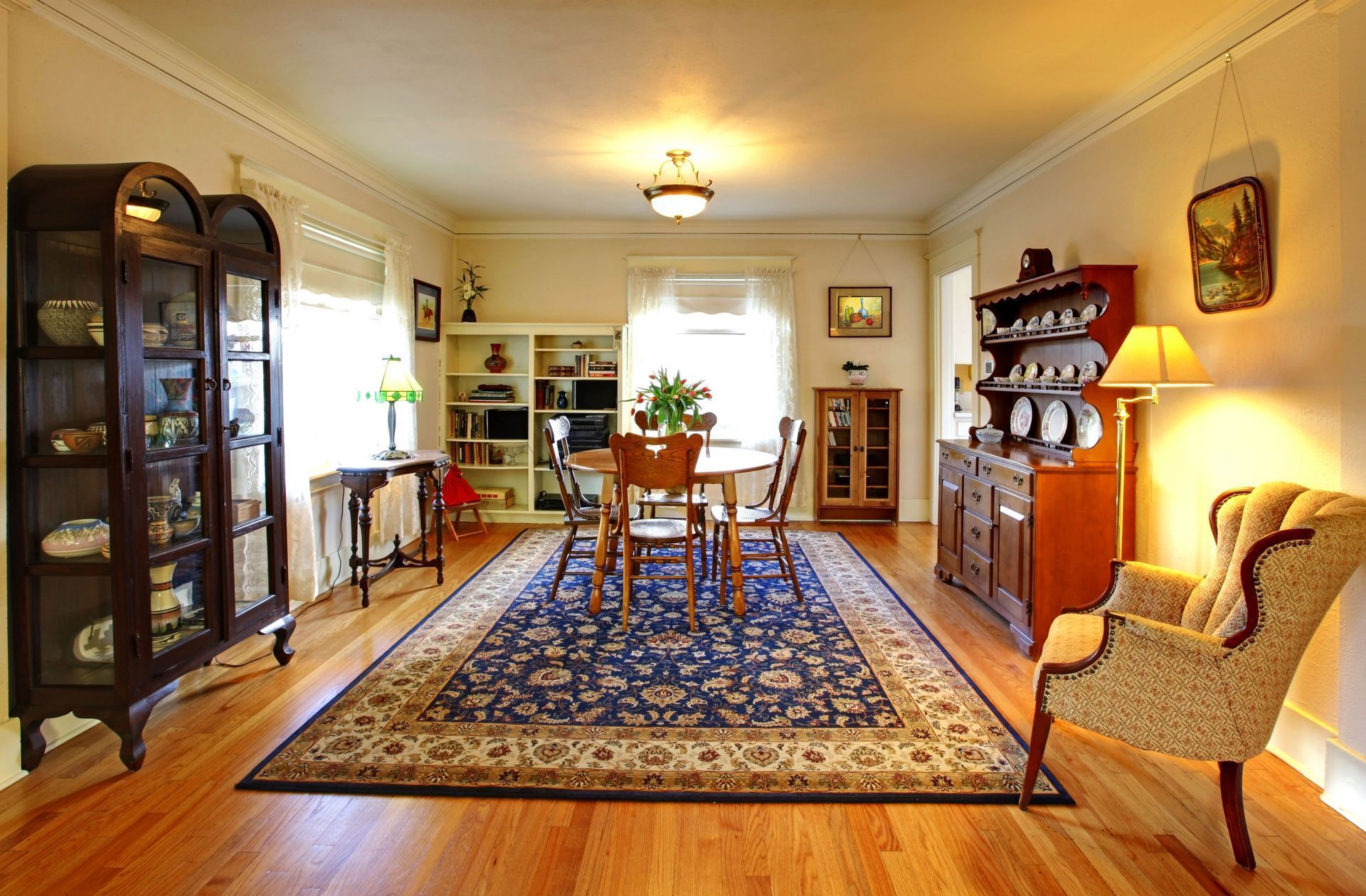
Dining rooms benefit from rugs that extend well past the table and chairs, even when seating is pulled out. This ensures chairs remain stable and prevents uneven wear. No matter the room, measuring carefully before purchasing an area rug helps avoid costly mistakes and ensures the finished space feels balanced.
What Styles and Designs of Area Rugs Are Available?
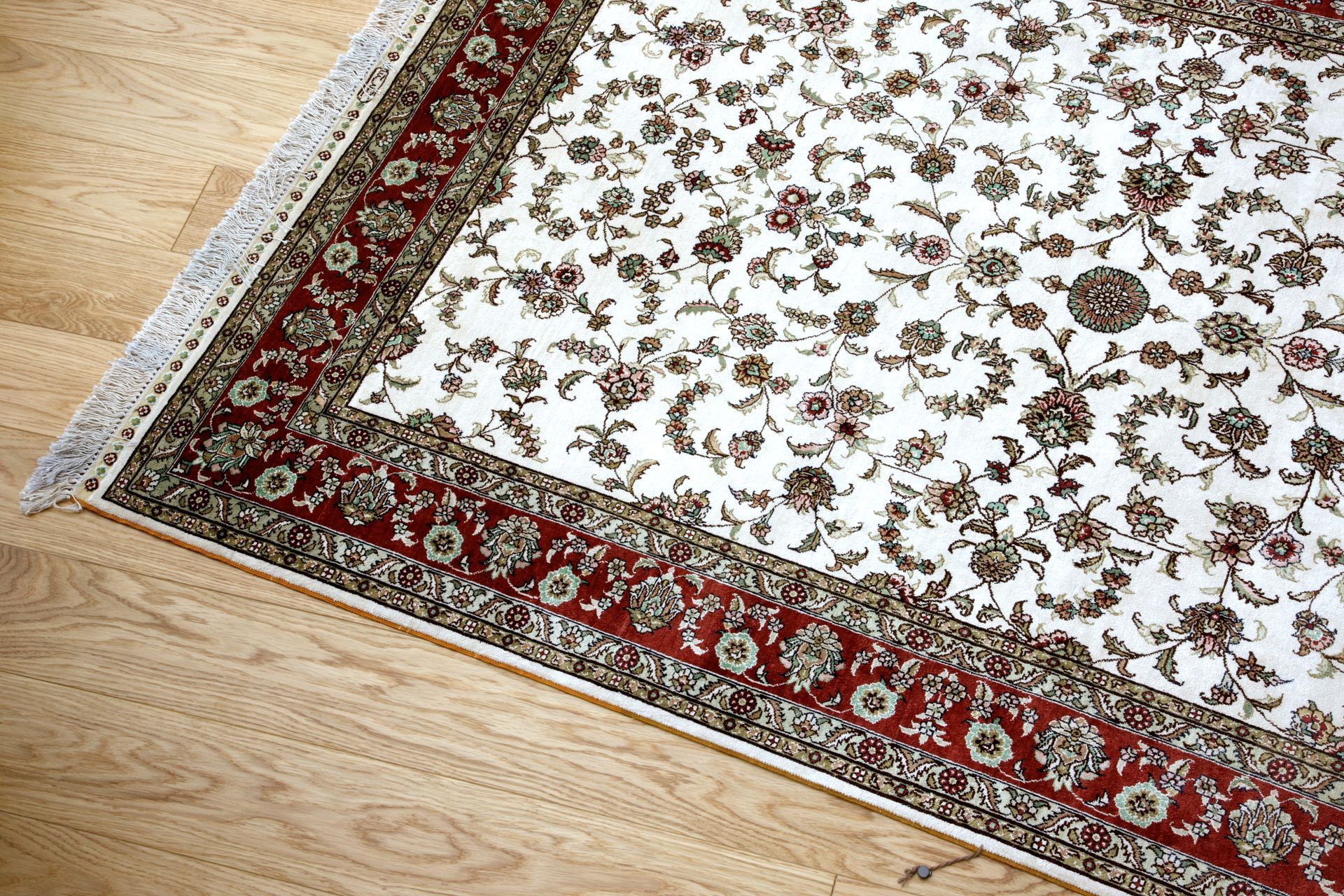
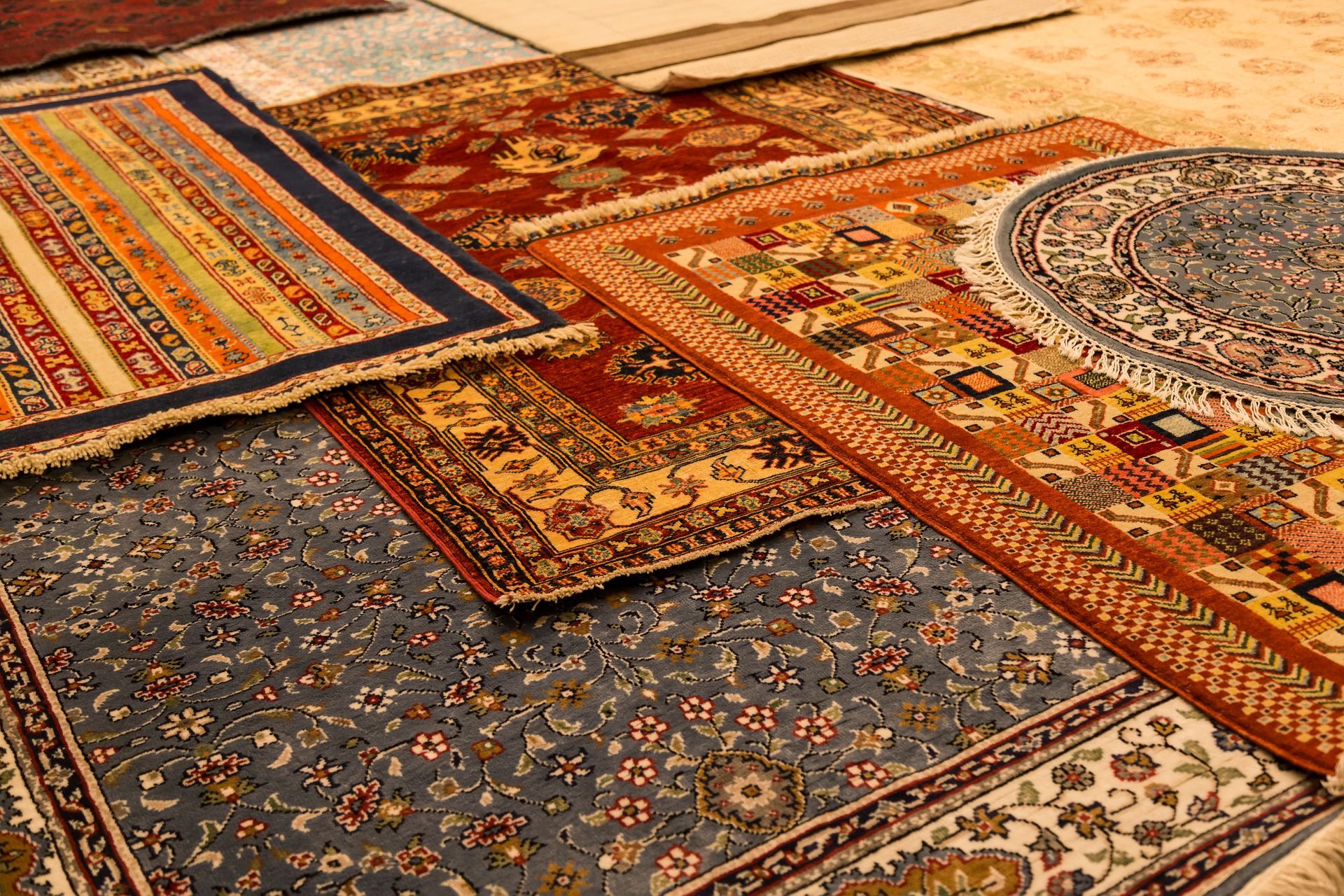
The range of styles available today makes it easy to find an area rug that suits nearly any design preference. Traditional rugs often feature intricate patterns, rich colors, and classic motifs that add depth and character to formal spaces. These designs work well in living rooms or dining areas where a sense of timeless elegance is desired.
Modern and contemporary rugs lean toward clean lines, abstract patterns, and neutral palettes. These options are ideal for minimalist interiors or homes that prioritize simplicity and open space. Textured rugs, such as those with subtle geometric patterns or tonal variations, add interest without overwhelming the room.
Material choice also plays a role in both appearance and performance. Wool rugs are prized for their durability and natural warmth, while synthetic fibers offer stain resistance and affordability. Natural fiber rugs, such as jute or sisal, introduce an organic feel and are often used in casual or coastal-inspired spaces.
With so many options available, an area rug can easily become a focal point or a supporting element, depending on how it is styled within the room.
How Can an Area Rug Add Comfort and Warmth to a Room?
Comfort is one of the most compelling reasons homeowners choose to add an area rug. Hard flooring surfaces, while visually appealing, can feel cold and unforgiving underfoot. A rug softens that experience, creating a more inviting environment for everyday living.
In colder months, rugs provide insulation by helping retain heat, making rooms feel warmer without adjusting the thermostat. This added warmth is especially noticeable in bedrooms and living spaces where people spend extended periods of time. Even in warmer climates, a rug can make a space feel more grounded and comfortable by reducing echo and absorbing sound. Additionally, rugs offer a soft surface for children and pets to play on safely, adding another layer of practicality to their comfort benefits.
Beyond physical comfort, rugs contribute to a sense of emotional warmth. The texture, color, and placement of an area rug can make a room feel cozy and welcoming. This psychological effect is one reason rugs are often among the final touches added during home renovations, tying together design elements while enhancing livability.
What Are the Best Practices for Maintaining Your Area Rug?
Proper maintenance is essential for preserving the appearance and lifespan of an area rug. Regular vacuuming helps remove dirt and debris before it becomes embedded in the fibers, which can cause premature wear. For high-traffic areas, vacuuming at least once or twice a week is recommended to keep the surface looking clean and refreshed.
Rotating the rug periodically ensures even wear, particularly in rooms where furniture placement or foot traffic is uneven. This simple step can prevent fading and flattening in specific areas over time, especially in spots exposed to direct sunlight or constant use.
Spills should be addressed promptly to minimize staining and odor. Blotting, rather than rubbing, helps prevent liquids from spreading deeper into the fibers and damaging the backing. Using cleaning solutions appropriate for the rug’s material is also important, as harsh chemicals or excess moisture can weaken fibers and affect color integrity.
Professional cleaning every one to two years can further extend the life of an
area rug
, especially for larger or more delicate pieces. This deeper cleaning removes embedded dirt that regular vacuuming cannot reach. With consistent care, a quality rug can remain a functional and attractive part of your home for many years.
An area rug is far more than a decorative accessory. It serves as a functional design element that enhances comfort, defines space, and protects flooring while reflecting personal style. As home improvement and décor trends continue to emphasize warmth and livability, rugs remain a key feature in residential design. By choosing the right size, style, and placement, and by maintaining it properly, an area rug can seamlessly elevate the aesthetics and comfort of virtually any room in your home. If you want to add practicality and character to your home with a new area rug, reach out to Albed Rug Company today!